Dyson Brand Overview
Dyson is a globally recognized technology and engineering company founded by Sir James Dyson in 1991. Its global headquarters are located in Singapore, while its main research and development center is based in Malmesbury, England. Dyson is best known for pioneering bagless cyclonic vacuum technology, high-speed digital motors, and advanced airflow engineering.
In the pet care industry, Dyson has taken a different approach from traditional pet product manufacturers. Rather than focusing on pet supplies, the brand positions itself as an expert in home hygiene and allergen control.
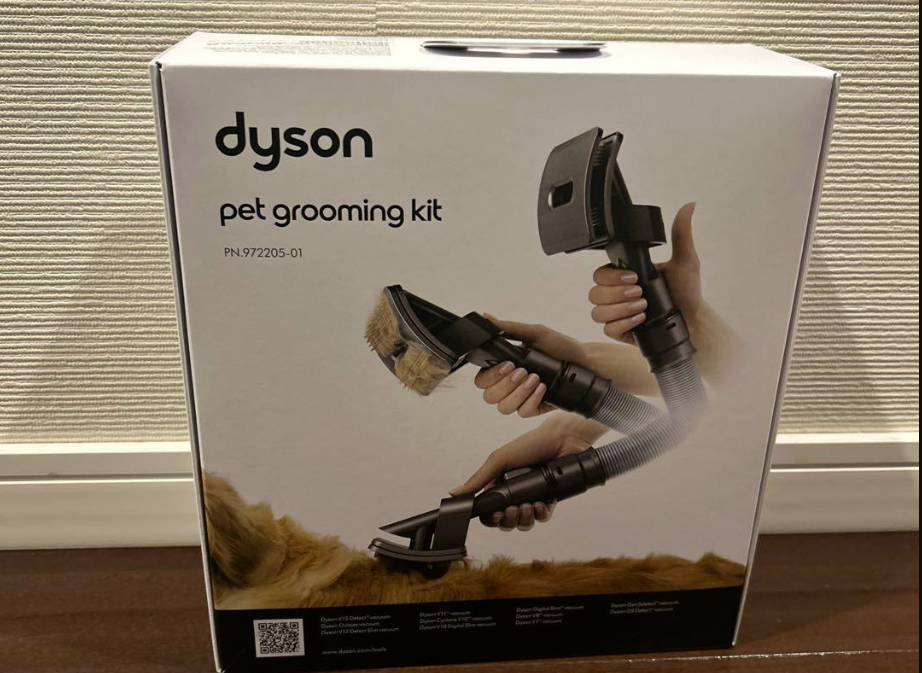
When it comes to pet grooming and cleaning, Dyson does not offer a standalone grooming vacuum with built-in clippers. Instead, it has developed an ecosystem-based solution. By combining its powerful cordless and upright vacuums with dedicated pet grooming accessories, Dyson allows pet owners to brush their pets and remove loose fur while collecting shed hair and microscopic skin flakes directly into the vacuum’s dust bin. Its most well-known accessory in this category is the Dyson Pet Grooming Kit.
This approach helps keep loose pet hair and allergens from spreading throughout the home during regular grooming sessions.
Company Information
| Category | Details |
|---|---|
| Brand Name | Dyson |
| Founded | 1991 |
| Headquarters | Singapore (Global Headquarters) / Malmesbury, England (Main R&D Center) |
| Founder | Sir James Dyson |
| Industry | Home Appliances, Airflow Engineering, and Floor Care Technology |
| Pet-Related Products | Cordless and upright vacuums (Animal and other pet-focused models), pet grooming accessories, and air purifiers |
| Official Website | dyson.com |
Contact Information
| Contact Type | Details |
|---|---|
| U.S. Customer Service | +1 (866) 693-9766 / Live Chat on the official website |
| Media and Press Inquiries | pressoffice@dyson.com |
| Business and B2B Inquiries | Dyson for Business (Apply through dyson.com) |
Dyson’s Development in the Pet Grooming Equipment Market
Dyson entered the pet care space through its core expertise in home floor cleaning. Early on, the company recognized that pet hair and dander were among the biggest cleaning challenges for vacuum owners.
Over the years, Dyson introduced its Animal series of vacuums, designed specifically for homes with pets. The company also developed specialized cleaning heads to help prevent pet hair from tangling around brush bars.
Building on its expertise in airflow control and advanced filtration, Dyson eventually expanded into pet grooming accessories. It first introduced the Pet Grooming Tool, which was later followed by the Pet Grooming Kit designed for cordless vacuum models.
These accessories extended Dyson’s cleaning technology beyond floors, carpets, and furniture to pet grooming itself. Today, Dyson primarily serves premium consumers who see regular pet grooming as part of a broader home cleaning and allergen management routine.
Dyson Market Snapshot
| Category | Details |
|---|---|
| Primary Markets | Global markets, including North America, Europe, and Asia-Pacific. Dyson has a strong market presence in the United States, United Kingdom, China, and Japan. |
| Main Sales Channels | Official website, Dyson Demo Stores, Amazon, and major appliance and home retailers such as Best Buy and Target |
| Key Pet-Related Products | Vacuum cleaners, Pet Grooming Kits, anti-tangle floor and furniture cleaning heads, and HEPA air purifiers |
| Target Customers | Owners of medium- to long-haired dogs and cats, households dealing with pet dander allergies, and existing Dyson vacuum owners |
| Market Positioning | A premium, engineering-focused home appliance brand offering a modular vacuum-based pet grooming solution |
Representative Products
| Product Category | Representative Models | Key Features and Technology |
|---|---|---|
| Pet Grooming Accessories | Dyson Pet Grooming Kit (Part No. 972205-01) | Features 364 nylon bristles arranged at a 35-degree angle, retractable bristles controlled by a thumb-operated slider, and a self-cleaning design. Includes a flexible extension hose approximately 100 cm (1 meter) long. Compatible with Gen5, V15, V12, V11, V10, V8, and V7 cordless vacuums. |
| Upright Vacuum Accessories | Dyson Groom Tool (Part No. 921000-02) | An earlier grooming attachment designed for Dyson corded upright and canister vacuums, including models such as the Ball Animal 2 and Animal 3. |
| Pet-Focused Vacuums | Dyson V15 Detect / Gen5detect / Ball Animal 3 | Equipped with advanced filtration systems, including whole-machine HEPA filtration on applicable models, capable of capturing 99.99% of particles as small as 0.1 microns. Some models also feature piezo sensors and anti-tangle hair removal tools. |
| Furniture and Car Pet Hair Removal | Hair Screw Tool | Uses a conical brush bar with an anti-tangle design to lift pet hair from pet beds, car seats, and carpeted stairs, directing it into the dust bin instead of allowing it to wrap around the brush. |
Dyson Pet Grooming Vacuum Technology and Product Design
1. Self-Cleaning Retractable Bristle System
With traditional slicker brushes and pin brushes, loose hair can easily get trapped between the closely spaced bristles. Pet owners often have to stop every few strokes to manually remove clumps of collected fur.
Dyson’s Pet Grooming Kit addresses this problem with 364 nylon bristles precisely arranged at a 35-degree angle.
When users press the thumb-operated slider, the bristles extend outward to reach through the coat and collect loose hair from underneath. Once the slider is released, the bristles retract completely into the attachment. The vacuum’s powerful airflow then pulls the collected hair and dander directly into the dust bin.
This self-cleaning design makes it possible to remove collected fur without having to touch it by hand.
2. Whole-Machine Filtration and Microscopic Allergen Capture
Unlike many budget-friendly pet grooming vacuums that mainly focus on removing visible pet hair, Dyson places greater emphasis on microscopic particles and overall indoor air quality.
Some of the main triggers of pet-related allergies are tiny flakes of dead skin, known as dander, and proteins found in dried saliva. These particles can cling to pet hair and become airborne during grooming.
By connecting the grooming attachment to a Dyson vacuum equipped with a whole-machine sealed HEPA filtration system, pet owners can capture these particles at the source. This helps prevent dander and other allergens from spreading into the room or escaping back into the indoor air through the vacuum’s exhaust.
3. Acoustic Engineering and Flexible Reach
The high-pitched airflow noise produced by vacuum cleaners can make some pets anxious during grooming. Dyson has focused on acoustic engineering in its pet grooming attachments to help reduce whistling sounds and airflow turbulence near the grooming head.
The Pet Grooming Kit also includes a flexible extension hose approximately 1 meter long, along with quick-release connectors. This allows pet owners to keep the main vacuum unit farther away from their pets while brushing them.
The extra distance helps reduce noise exposure during grooming while still giving users enough flexibility to move the grooming tool comfortably.
Dyson vs. Dedicated Pet Grooming Vacuum Brands Like Oneisall
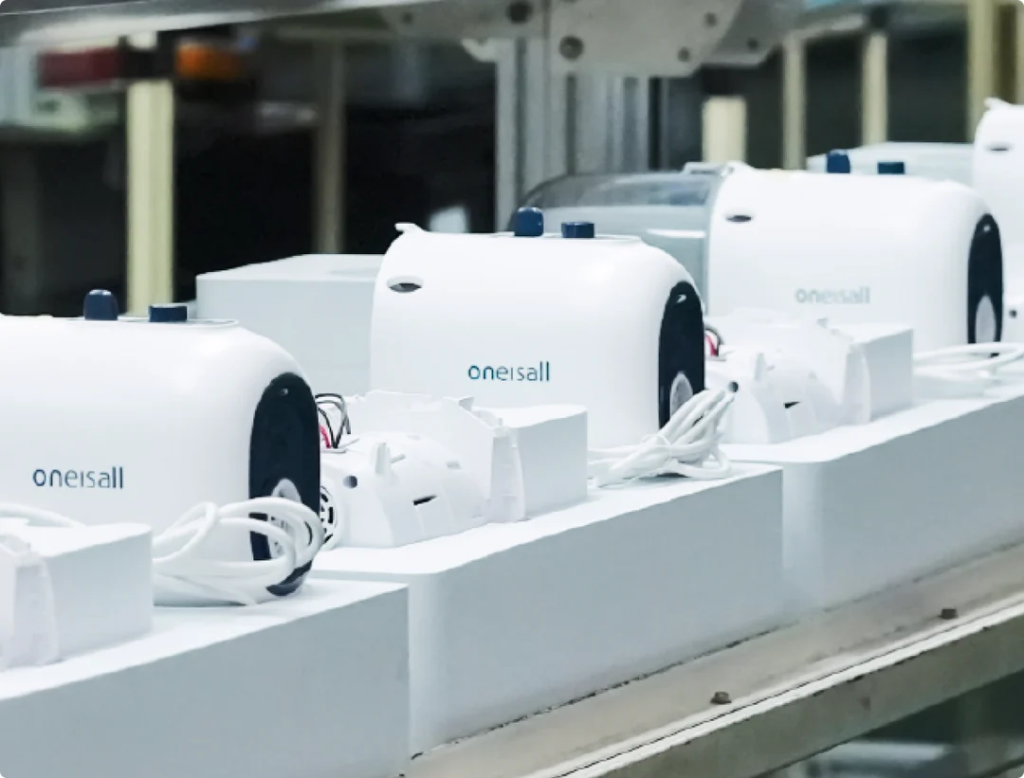
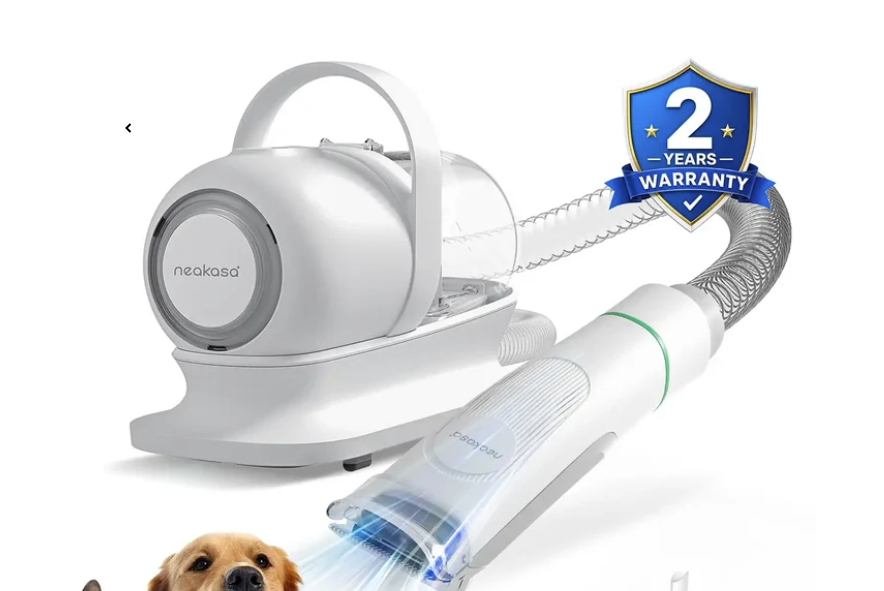
In the pet grooming vacuum market, Dyson takes a very different approach from specialized pet technology brands such as Oneisall and Neakasa.
The main differences come down to product design, grooming capabilities, and ease of use.
1. Modular Accessory Ecosystem vs. All-in-One Grooming Vacuum
Dyson sells a grooming accessory ecosystem rather than a standalone pet grooming vacuum. Its main selling point is the ability to expand the functionality of an existing premium household vacuum, which typically costs around $400–$900 or more.
Brands like Oneisall, on the other hand, offer more affordable standalone grooming vacuum systems, generally priced around $80–$180. These products are designed specifically for pet grooming and usually include multiple grooming tools in one package.
2. Loose Hair Removal vs. Full Grooming and Trimming
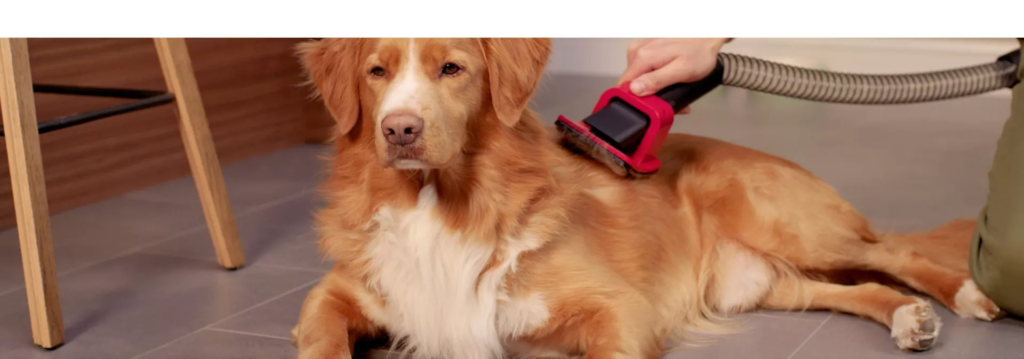
Dyson’s Pet Grooming Kit is essentially a vacuum-powered slicker brush designed to remove loose fur from medium- and long-haired dogs and cats.
Dyson does not recommend using the attachment on curly or wool-like coats, such as those of Poodles. It should also never be used on wet fur.
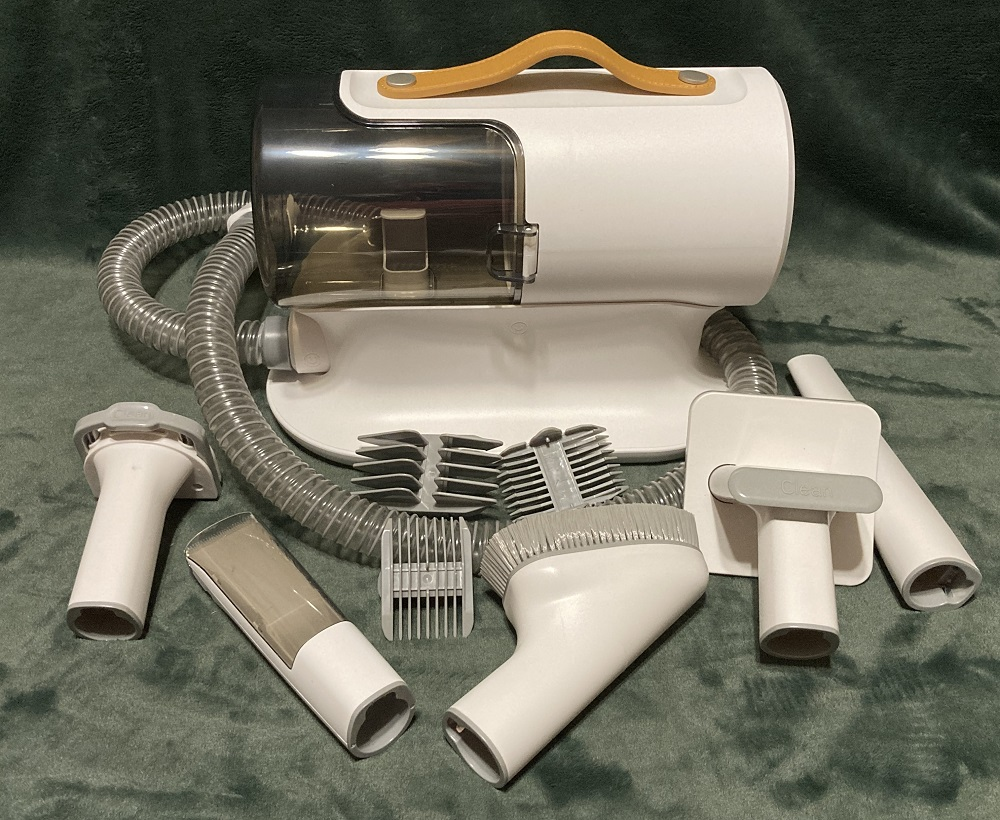
Dedicated pet grooming vacuum systems usually come with electric clippers, paw hair trimmers, and nail grinders. This makes them more suitable for owners who want to handle a wider range of at-home grooming tasks, including trimming and styling their pets’ coats.
3. Ergonomics and Power Switch Controls
Dyson has clear advantages in suction performance and filtration technology, especially on models equipped with advanced HEPA filtration.
However, operating some older cordless models can be less convenient during pet grooming. Many models, including the V15 and earlier cordless models, require users to keep holding down the power trigger while the vacuum is running.
For someone grooming a pet alone, holding the vacuum trigger while controlling the grooming tool and keeping the pet calm can become tiring.
This is less convenient than the simple on/off switch found on many dedicated pet grooming vacuums. Dyson has addressed this issue on models such as the V12 and Gen5detect, which use a single-button power control instead of a continuous trigger.
The Future of Dyson in the Pet Care Category
As pet humanization continues to grow worldwide and more households welcome pets indoors, Dyson is likely to keep expanding its research and development efforts around three key areas: anti-tangle mechanical design, sensor-based cleaning and hygiene measurements, and indoor air quality management.
Future product development may focus on quieter digital motor technology, broader compatibility across generations of cordless vacuum platforms, and closer integration between vacuum cleaners and air purifiers.
By bringing these technologies together, Dyson can continue to address some of the biggest cleaning challenges faced by modern pet owners, including loose pet hair, household odors, and airborne allergens.